
Silicone Resins & Film Formers
4 grades
Manta silicone resins and film formers include solid MQ resins, silicone resin solutions and flexible resin hybrids developed for long-wear personal care formulations. These materials form durable, breathable and water-resistant films that improve transfer resistance, pigment adhesion and wash-off resistance. The range is suitable for liquid foundations, lip products, mascara, eyeliner, sunscreens, skin care and hair styling products. Different grades vary in resin structure, carrier type, flexibility, viscosity and compatibility with cosmetic oils or volatile silicones. Select the appropriate grade according to the required film strength, flexibility, drying profile, transfer resistance and sensory comfort of the finished formulation.
Grade Comparison
| Grade | INCI | Appearance | Cyclic siloxane | Viscosity | Bulk density (g/cm³) | Volatile content |
|---|---|---|---|---|---|---|
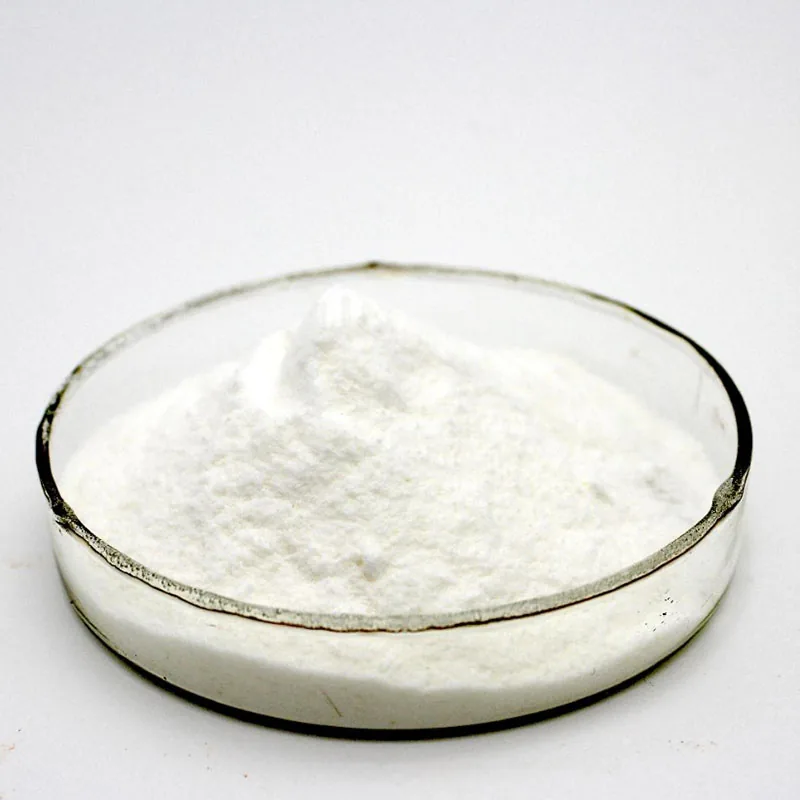
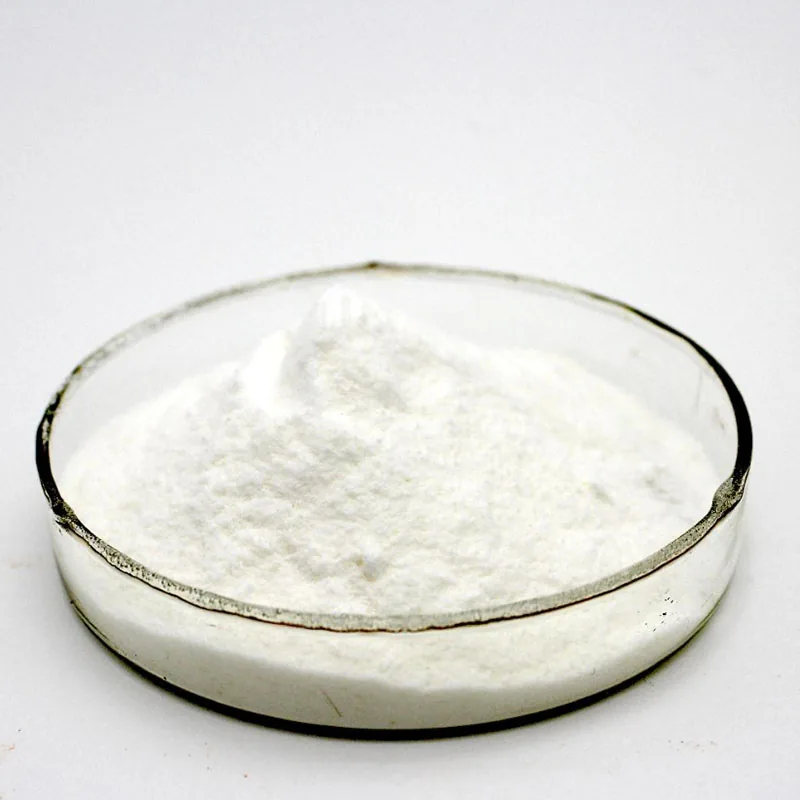
| A202 | Trimethylsiloxysilicate | White powder | None | — | 0.45-0.75 | ≤ 2 |
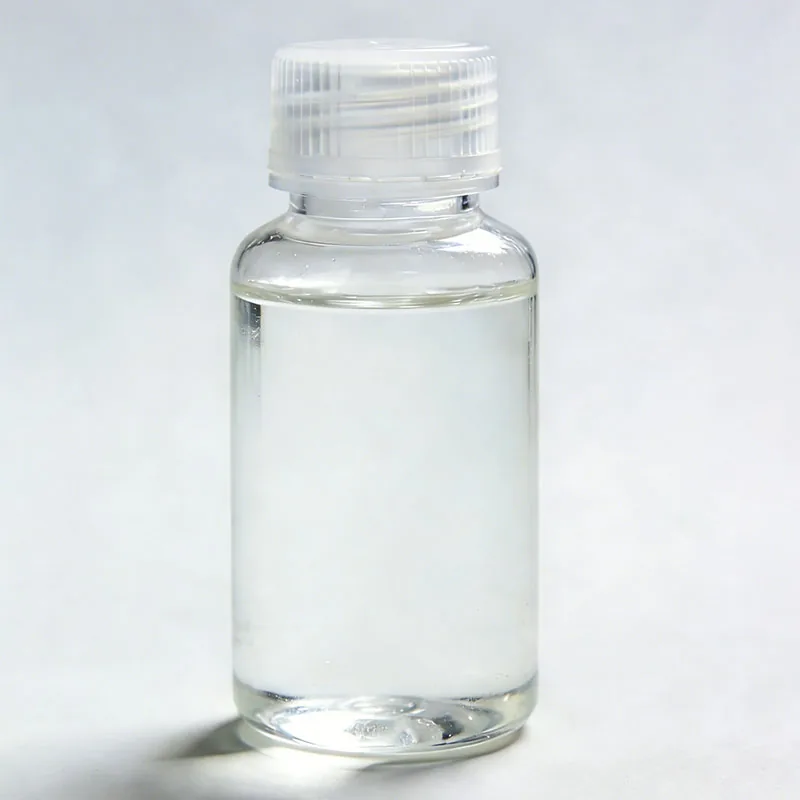
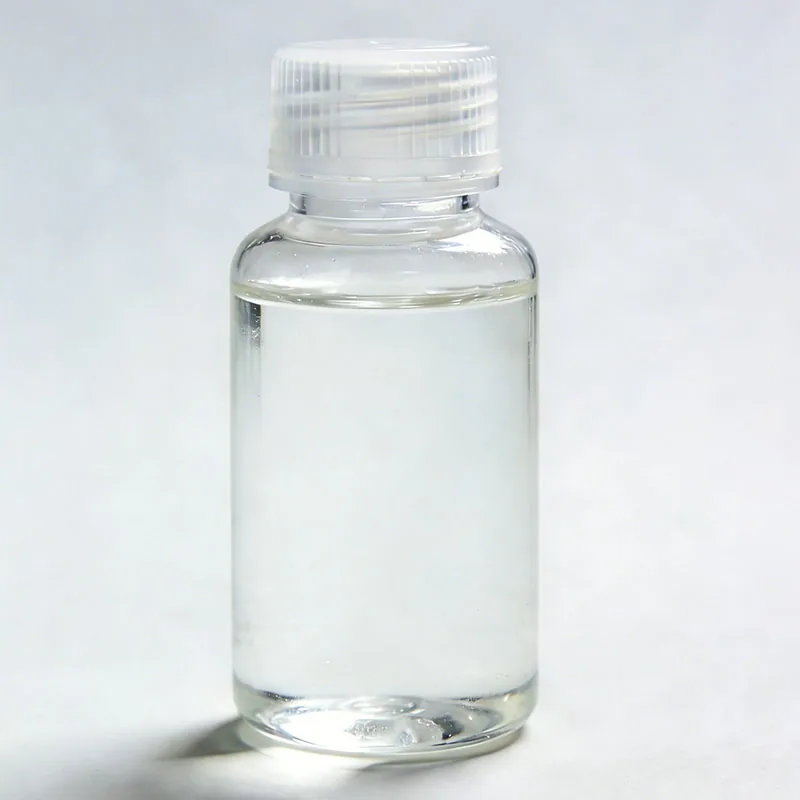
| A203 | Trimethylsiloxysilicate (and) Cyclopentasiloxane | Colorless transparent to slightly yellow slightly turbid liquid | D5 carrier | 300~500 mPa·s | — | — |
| A203B | Trimethylsiloxysilicate (and) Dimethicone | Colorless to pale yellow viscous liquid | None | 400 - 1000 cSt | — | — |
| A2024 | Trimethylsiloxysilicate (and) Polypropylsilsesquioxane | White Powder | None | — | 0.45 - 0.75 | ≤ 2.0 |
Typical properties from product TDS; not specification limits. D4, D5 and D6 are on the REACH SVHC candidate list as vPvB substances. Regulation (EU) 2024/1328 limits each to below 0.1% in leave-on cosmetic products placed on the EU market from 6 June 2027; D4 and D5 have been restricted in rinse-off products since 31 January 2020 under Regulation (EU) 2018/35. Cyclic siloxane content is stated per batch on request.
How to Choose
Solid resin or resin solution?
A202 and A2024 are supplied as solids and must be fully dissolved before use; A203 and A203B arrive pre-dissolved in a carrier and go straight into the oil phase. Solids give you control over the solvent and the final resin loading. Solutions remove a dissolution step but fix the carrier for you.
The carrier decides more than the resin does
A203 carries its resin in cyclopentasiloxane (D5); A203B carries the same resin chemistry in dimethicone. The resin that deposits is comparable — what differs is whether the carrier flashes off or stays in the film, and whether the grade is exposed to the EU cyclic siloxane restrictions. For a leave-on product destined for the EU, start from A203B.
Film flexibility is a resin-architecture question
Straight MQ resin builds a hard, high-wear film that can feel tight or crack on a flexible substrate such as lips. A2024 is a propyl-modified resin developed for flexible films. Confirm the trade-off between wear and flexibility on your own substrate — it depends on the rest of the formula, not on the resin alone.
Where these grades are the wrong answer
Film formers do not solve pigment wetting or emulsion instability. If a long-wear foundation transfers because the pigment is poorly dispersed, adding resin will stiffen the film without fixing the cause. Resolve dispersion and emulsifier choice first.
All Silicone Resins & Film Formers Grades
-
A203
Trimethylsiloxysilicate and Cyclopentasiloxane A203
Trimethylsiloxysilicate (and) Cyclopentasiloxane
Contains cyclic siloxane: D5 carrier
View technical data → -
A203B
Trimethylsiloxysilicate and Dimethicone A203B
Trimethylsiloxysilicate (and) Dimethicone
View technical data → -
A2024
Trimethylsiloxysilicate and Polypropylsilsesquioxane A2024
Trimethylsiloxysilicate (and) Polypropylsilsesquioxane
View technical data →
Request Samples or Full Documentation Package
Tell us the formulation system and target market, and our technical team will shortlist grades from Silicone Resins & Film Formers and arrange samples with TDS, SDS and batch CoA.