Color Cosmetics
Long-wear colour fails in two places: the film cracks, or the pigment was never properly wetted. MQ resin film formers handle the first, alkyl and hydroxy-functional fluids handle the second.
Explore Color Cosmetics → MANTA
Silicone Ingredients
Applications
Formulators do not search for a chemistry, they search for a problem. Each segment below starts from the failure mode — cracked film, poor pigment wetting, build-up on damaged hair, filters that recrystallise — and names the grades that address it.
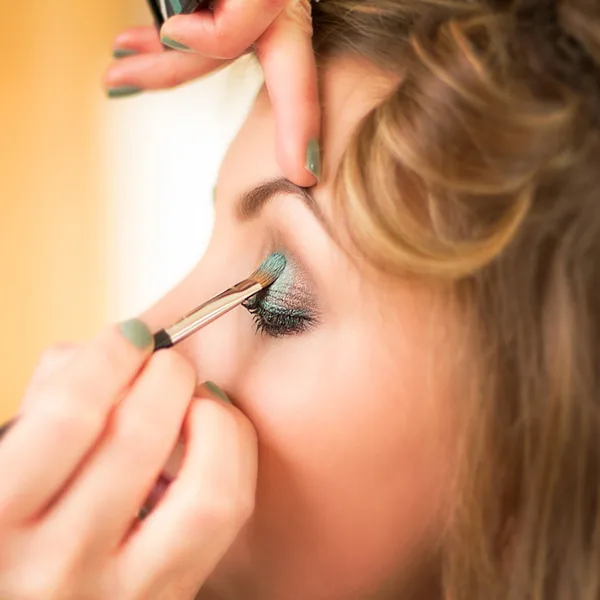
Long-wear colour fails in two places: the film cracks, or the pigment was never properly wetted. MQ resin film formers handle the first, alkyl and hydroxy-functional fluids handle the second.
Explore Color Cosmetics →Texture and stability are set by two choices: which emulsifier holds the water phase, and which carrier controls spreading and the after-feel. Volatile linear grades replace D5 where cyclic siloxanes are restricted.
Key grades
Surfactant systems need silicones that stay in the water phase and survive the rinse. Water-soluble polyethers do that; alkyl and elastomer grades then take the tack out of leave-on body care without making it heavy.
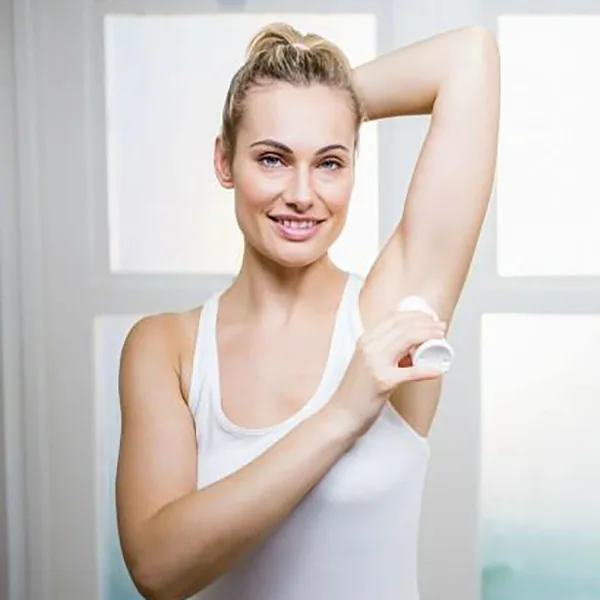
Explore Personal Care & Body Cleansing →The carrier decides almost everything here: how fast the product dries, whether aluminium salts stay dispersed, and whether the stick leaves marks on clothing. Manta's linear F1006 ladder covers the volatility range without added D4, D5 or D6, with cyclic siloxane content stated per batch.
Key grades
Several grades serve more than one segment — a volatile carrier used in an antiperspirant also works in a sunscreen, and the same MQ resin shows up in long-wear colour and in water-resistant sun care. Browse by chemistry instead: